Indigenous Knowledge: The True Roots of Cranberries
We would not have known the benefits, popularity, or cultivation of cranberries—one of only three fruits native to North America (along with blueberries and Concord grapes)—without the knowledge and trade practices of Indigenous communities across New England, Wisconsin, and parts of Quebec.
The Origin of the Name “Cranberry”
The name cranberry is a modification of the earlier term “craneberry.” European settlers noticed that before the flower bloomed, its stem, calyx, and petals resembled the neck, head, and bill of a crane. Cranes also favored the fruit as a food source. Over time, other names like fenberries (from the Old English word for bogs) and bear berries were also used.
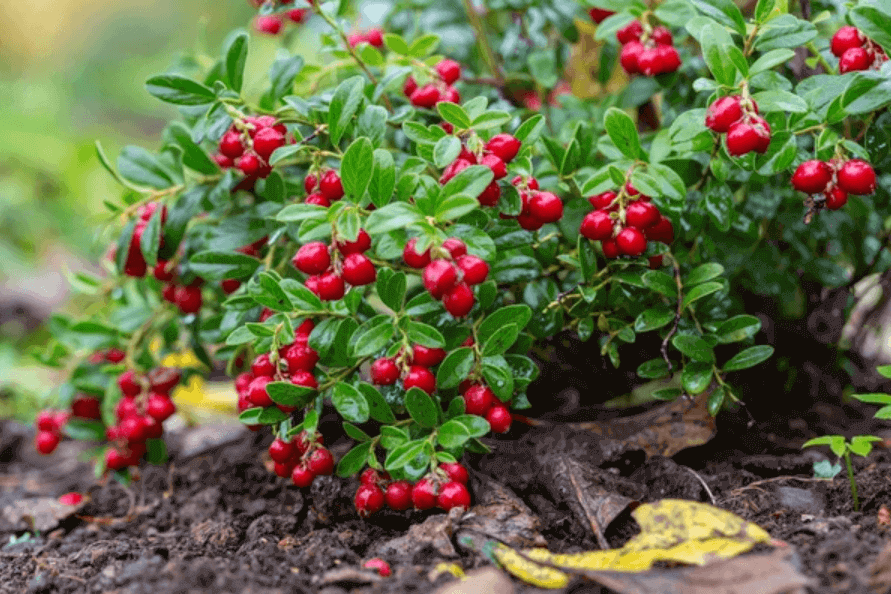
The “crane” berry — the resemblance to cranes gave cranberries their name.
Indigenous Use of Cranberries
The Narragansett, Algonquin, Chippewa, Cree, and many other tribes gathered wild cranberries in regions stretching from present-day Maine and Massachusetts to Oregon, Washington, British Columbia, and Quebec. Known as sassamenesh (Algonquin) and ibimi (Wampanoag and Lenni-Lenape), the fruit was used widely in food, medicine, and cultural practices.
- Dye: Used for rugs, clothing, and jewelry.
- Medicine: Cranberries treated wounds, fevers, and served as natural purifiers.
- Food: Consumed raw, as tea, and later mixed with honey or maple sugar.
Pemmican: The Original Energy Bar
One of the most fascinating Indigenous preparations was pemmican—a mixture of dried cranberries, ground deer meat, and tallow. Stored in animal skins, this nutrient-dense bar lasted months, preserved by the fruit’s acidity, and provided vital energy on long journeys.
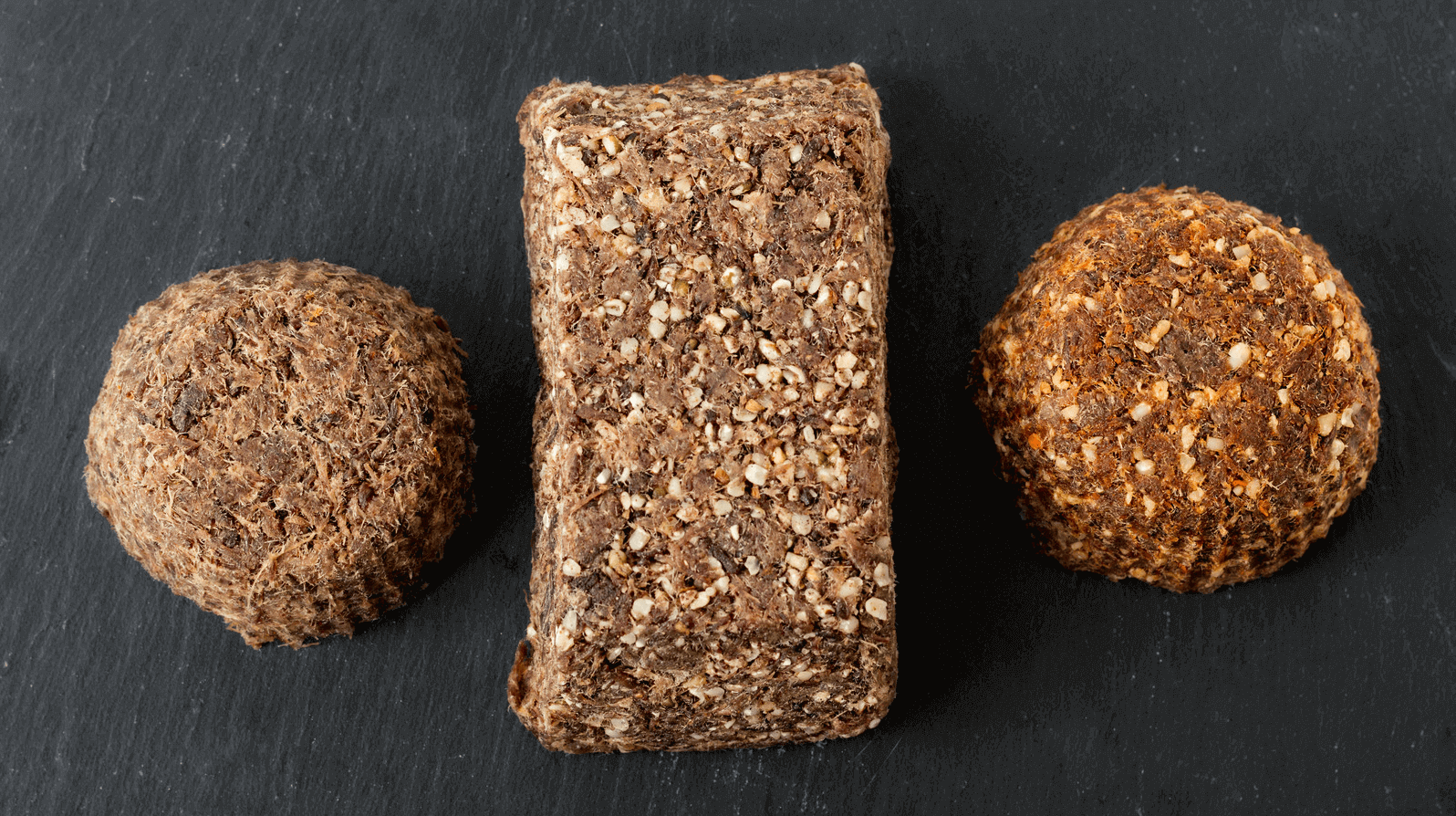
Pemmican — the original Indigenous energy bar.
Cranberries and European Settlers
By the mid-19th century, European settlers began cultivating cranberries commercially. Initially, cranberries were sweetened into sauces for game meat and turkey. Today, the industry is worth more than $300 million, with farms across the U.S. and Canada. The cranberry’s journey from Indigenous staple to global superfruit remains a testament to its resilience and versatility.
Iroquois Cranberry Growers: A Legacy
The Iroquois Cranberry Growers (ICG), based in the Wahta Mohawk Territory in Ontario, started in the 1960s with just half an acre of cranberries. At its peak, it spanned 68 acres and provided economic support for the community. Though the facility closed in 2017, it remains an important part of Indigenous agricultural history.
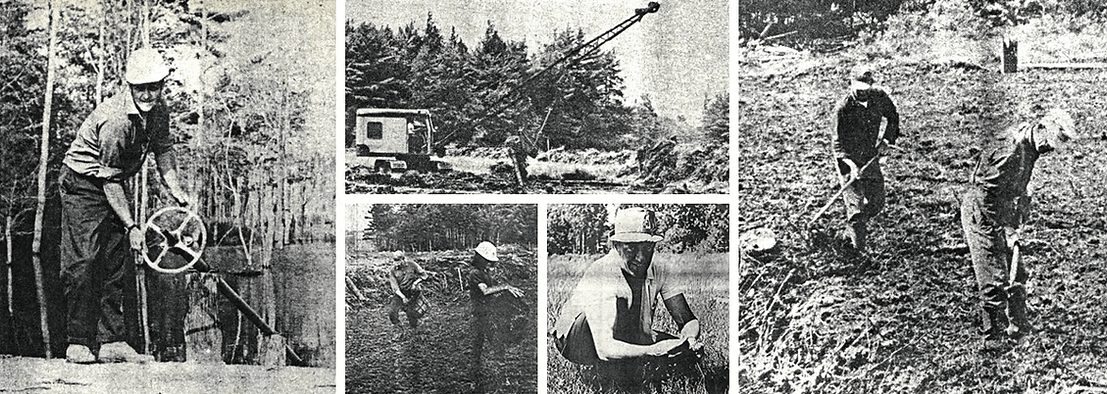
Iroquois Cranberry Growers, ca. 1971.