
Introduction
Cardiovascular disease remains the leading cause of death worldwide. Recent research now points to cranberries as a natural dietary ally in supporting heart and vascular health. Rich in polyphenols, flavonoids, and antioxidants, cranberries may help improve blood flow, lower blood pressure, and reduce the risk of atherosclerosis.
The Science: How Cranberries Protect the Heart
- Improved circulation: A 2025 study published in the Journal of Nutrition and Cardiology showed that daily cranberry extract improved endothelial function, a key marker of healthy blood vessels.
- Lower blood pressure: Participants consuming cranberries daily saw reductions in both systolic and diastolic blood pressure within eight weeks.
- Anti-inflammatory effects: Cranberry polyphenols reduced markers of systemic inflammation, lowering cardiovascular risk factors.
- Cholesterol balance: Research suggests that cranberries may help raise “good” HDL cholesterol while reducing LDL oxidation.
“Cranberries may serve as a simple, natural, and accessible way to support cardiovascular health alongside traditional diet and lifestyle interventions.”
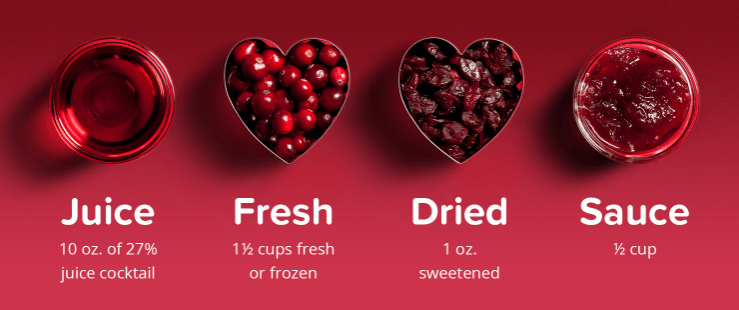
Cranberries’ antioxidants and polyphenols improve circulation and heart health.
Practical Takeaways
While more long-term clinical studies are needed, existing evidence suggests that adding 1 cup of cranberries or 240 ml of cranberry juice daily may support cardiovascular wellness. Pairing this with a diet rich in fruits, vegetables, whole grains, and regular exercise can maximize heart health benefits.
Conclusion
As new research continues to unfold, cranberries are emerging not only as a functional food for urinary tract health but also as a promising addition to cardiovascular disease prevention. Simple, affordable, and widely available, this North American superfruit deserves a place in daily nutrition for a healthier heart and stronger circulation.